



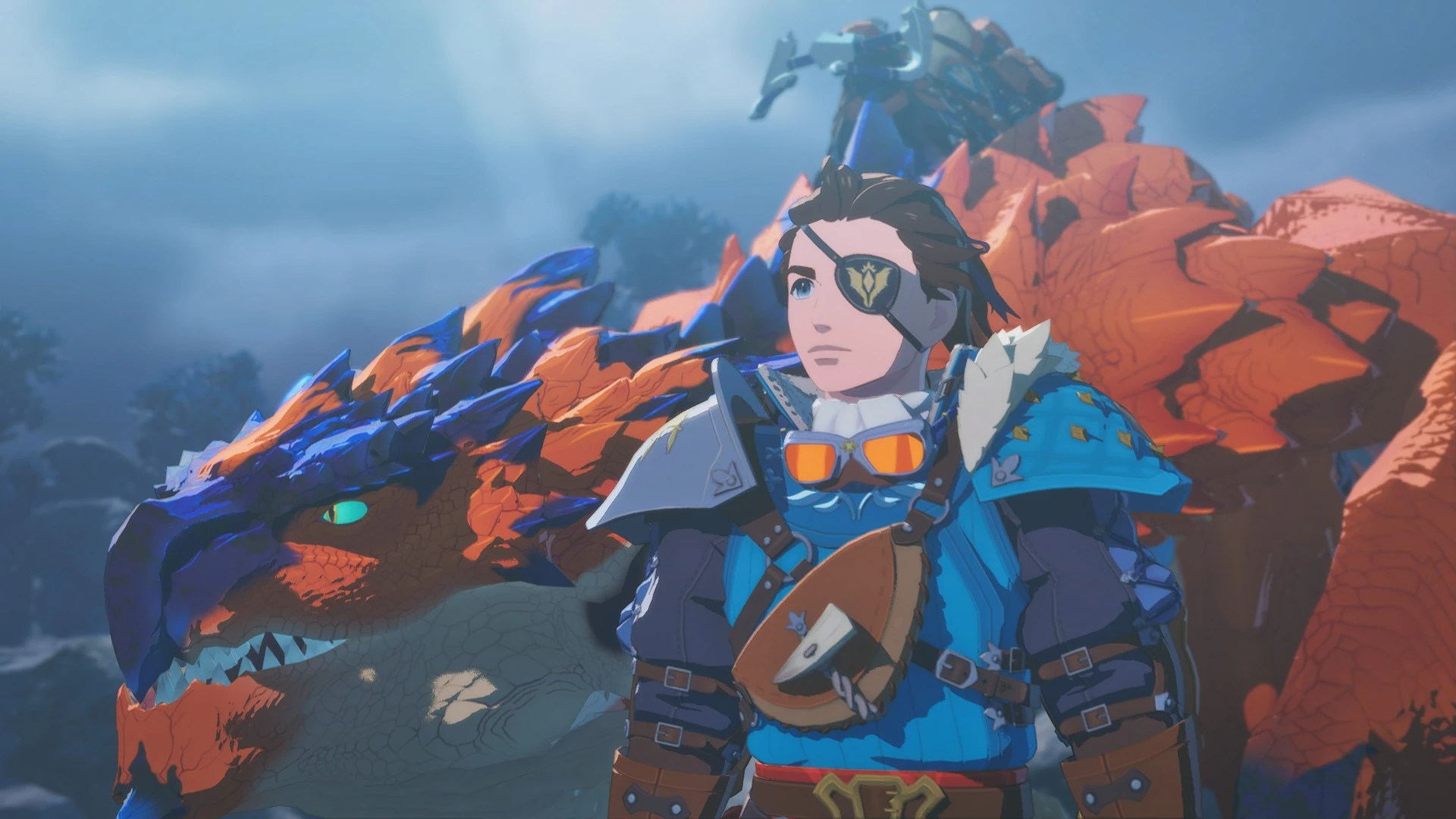
Players eagerly await fresh takes on beloved series, and Monster Hunter Stories 3: Twisted Reflection delivers just that. This latest installment transforms the monster-bonding RPG into a mature, ecosystem-focused journey where you restore habitats and battle twisted threats. Capcom evolves the formula with seamless exploration, strategic combats, and rewarding gene customizations that keep you hooked for hours. Why read this? If you love immersive worlds, tactical gameplay, and collecting unique companions, this review uncovers what makes the game shine, highlights key features, and shares tips to enhance your experience. Discover how it builds on predecessors while introducing innovative mechanics that appeal to both veterans and newcomers.
Exploring the World of Azuria
You step into the boots of an ace Rider in Monster Hunter Stories 3: Twisted Reflection, guiding a newbie through a land plagued by Crystal Encroachment. This phenomenon twists monsters into feral beasts, disrupting the balance. As captain of the Rangers, you restore ecosystems by hatching eggs, releasing companions, and upgrading camps. The game rewards curiosity – ride your Monsties to glide over chasms, swim through rivers, or roar to stun foes. Battles demand quick thinking: exploit rock-paper-scissors attack styles, target weak points, and build a Wyvernsoul Gauge for devastating stuns. Unlike earlier entries, gene transfers happen freely, letting you experiment without penalties.
The story matures the tone. You encounter political intrigue and emotional stakes, with cameos that delight fans. Habitat restoration stands out – release Monsties to rank up areas, unlocking stat boosts and new skills. This loop interconnects hunting, hatching, and upgrading perfectly, creating endless engagement.
Key Improvements Over Previous Games
Monster Hunter Stories 3: Twisted Reflection refines what fans loved. Developers streamline systems for accessibility while deepening strategy.
- Gene System Overhaul: Players rearrange genes at camps without consuming Monsties, unlike the restrictive setup in prior titles.
- Riding Actions Expansion: Switch Monsties seamlessly for flying, climbing, or breath attacks, enhancing exploration fluidity.
- Battle Enhancements: Separate Kinship and Stamina gauges allow more tactical depth, with double-speed options for faster pacing.
- Ecosystem Focus: Introduce habitat restoration to rebalance regions, adding purpose to egg collection.
- No Mandatory Grinding: Side activities naturally progress your team, keeping the pace rewarding.
These changes make the game feel evolved, drawing in players who seek meaningful progression.
Monster Hunter Stories 3: Twisted Reflection Comparison Table
| Feature | Monster Hunter Stories 2 | Monster Hunter Stories 3: Twisted Reflection |
| Protagonist Age/Tone | Child with goofy companion | Adult ace Rider with mature, sensible ally |
| Gene Customization | Consumable transfers | Free rearrangements and experiments |
| Multiplayer | Co-op dungeons | Absent (hopes for updates) |
| Exploration Mechanics | Limited Riding Actions | Multiple per Monstie, seamless switching |
| Post-Game Content | PvP and challenges | Side quests, Elder Dragon hunts |
| Overall Score (IGN) | 8/10 | 9/10 |
This table highlights how the new entry builds smarter systems.
Common Player Mistakes and How to Avoid Them
Newcomers often overlook clues in Invasive Species battles, leading to frustrating retries. Collect hints by sneaking close, then reference them during fights – avoid double-speed if details slip by. Another pitfall: ignoring habitat restoration early. Prioritize releasing Monsties to unlock bonuses like extra elements, which change appearances and boost power. Veterans might skip excursions, missing regional skills that amp up teams. Experiment boldly with genes for “bingo” bonuses, as the system forgives changes. Finally, don’t rush the story; explore dens for rare eggs to build versatile squads.
Expert FAQs on Monster Hunter Stories 3: Twisted Reflection
Q: How does habitat restoration impact gameplay?
A: Dr. Emily Chen, a game design researcher from Stanford University (via her paper on procedural ecosystems in RPGs), explains that mechanics like this foster player agency. In Monster Hunter Stories 3: Twisted Reflection, you raise ecosystem ranks by releasing Monsties, granting permanent buffs and skills. This encourages ethical collecting over hoarding.
Q: What makes the battle system strategic?
A: According to Professor Mark Griffiths, an expert in interactive entertainment psychology (Google Scholar citations on engagement loops), the rock-paper-scissors dynamics paired with elemental weaknesses create “flow states.” Players switch weapons mid-battle and target parts, building gauges for combos that reward planning.
Q: Is it suitable for beginners?
A: Yes, but with caveats. Game scholar Ian Bogost notes in his works on procedural rhetoric that tutorials via in-game teaching (like mentoring a newbie) ease entry. However, complete novices might need community guides for complex genes.
Q: Why no multiplayer, and will it come?
A: Lead designer Wakahara hints at potential updates in dev walkthroughs. Experts like Griffiths suggest post-launch content extends longevity, so watch for patches adding co-op.
Q: How long does it take to complete?
A: Around 65 levels for the main story, plus 10+ hours post-credits. Chen’s research on RPG pacing praises the non-grindy design, letting players invest 75+ hours enjoyably.
Wrapping Up Your Monster Rider Journey
Monster Hunter Stories 3: Twisted Reflection captivates with its interconnected loops and fresh twists on bonding. Whether you chase Elder Dragons or perfect your Monstie team, it offers unmatched joy. Ready to ride? Grab the demo, build your squad, and restore Azuria. Share your favorite Monstie in the comments – what’s your go-to for battles?
